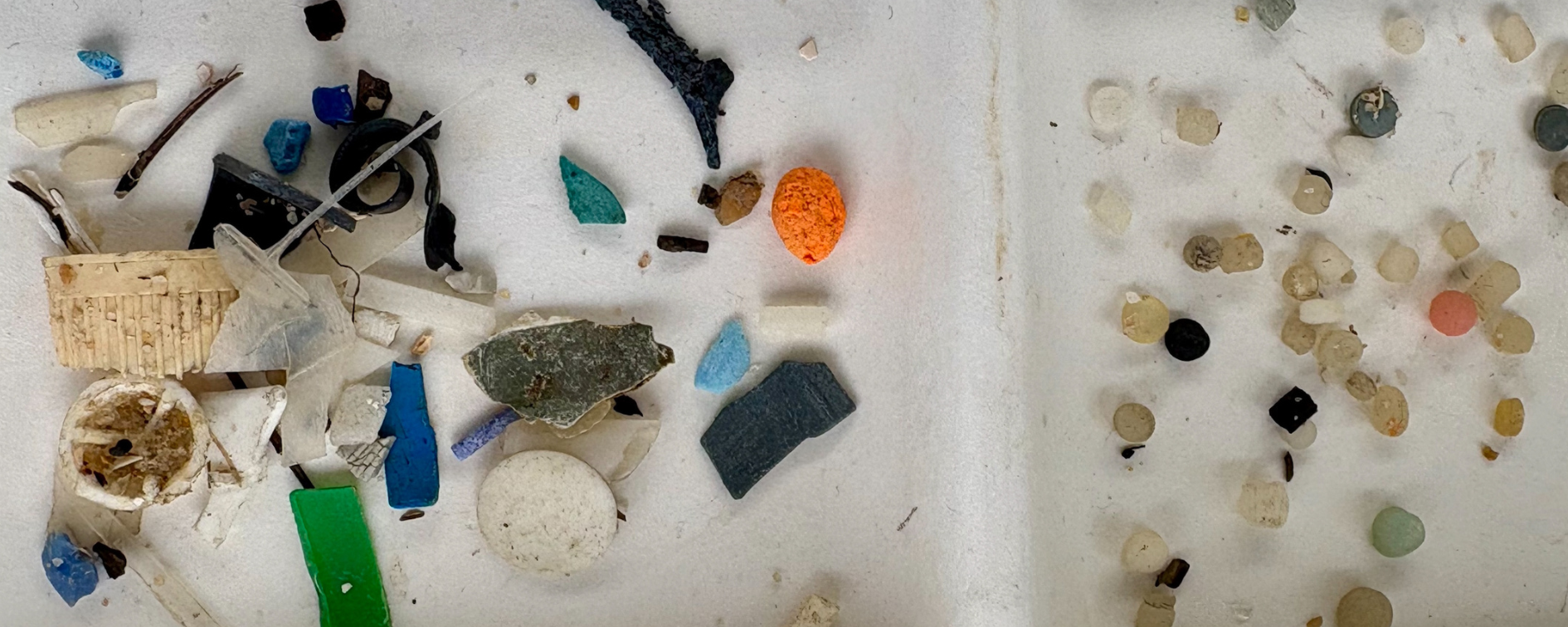
Microplastics are everywhere—from oceans and rivers to our homes, food, and water. They harm wildlife, carry toxic chemicals and invasive organisms, and can accumulate through the food chain. Exposure is unavoidable, and their presence also threatens soil health, plant growth, and human wellbeing.
Total Environment Centre's citizen science project, Australian Microplastic Assessment Project (AUSMAP), has released a new report following our assessment of microplastic pollution in NSW Coastal waterways. It compiles the results from hundreds of individual samples collected since 2018, tracking the rise of microplastics and identifying hotspot locations with particularly high microplastic levels. The findings are alarming; Sydney stands out as the state’s most consistently impacted region, but other heavily urbanised areas have shown concerning levels of microplastics. At some Sydney sites, more than 10,000 microplastics per square metre were recorded along the high-tide line! To better understand the scale of the problem and the solutions, you can read the report in full here.
The case for action is clear. We are calling for policies to stop microplastic pollution, including controls on industry, new technology and comprehensive state and national reduction strategies. Some are already being taken up by government.
Microplastics are found everywhere and are accumulating.
Plastics are everywhere in our society, and microplastics are rapidly emerging in significant quantities. From carpets to car tyres, fertilisers to plastic packaging on our groceries; the paint on our walls to the cosmetics and the clothes we wear. Some are ready-made to pollute, like microbeads, glitter, and synthetic rubber crumb, and others make their way into our environment too easily, like polyester clothing fibres and tyre dust. At present, we don't have appropriate systems in place to ensure those who profit from the production of these materials, to pay their fair share towards the costs of mitigating the environmental impacts they create, or implement appropriate steps to design out problematic materials.
Plastics do not biodegrade. Ultraviolet light (UV), mechanical abrasion through friction and wear and tear, chemical degradation, and thermal degradation break up larger plastics into progressively smaller pieces known as microplastics. These particles can contain toxic additives used during production (including PFAS and endocrine-disrupting substances), but can also absorb pollutants such as heavy metals and pesticides from their surroundings, later releasing them into the environment, ecosystems, or individuals.
The Potential Effects of Microplastics on the Environment and on Humans
The warning signs for the impact on marine life and ourselves are growing. The impact of microplastics on marine and freshwater species from ingestion can be far-reaching, including internal injury, reducing nutrient intake, gastrointestinal blockages, growth and reproductive problems, and even behavioural changes. This may lead to broader ecosystem changes. Studies show microplastics have been found in many foods and beverages, but our exposure to microplastics, and associated chemicals, is not limited to food. Human exposure to microplastics also happens through dermal contact, inhalation, and even through the placenta. This may lead to chemical harm, due to the leaching of toxic additives or adsorbed pollutants (Thompson et al., 2024).
The influx of microplastics is the result of decades of industry and government inaction. It is not surprising that many people feel powerless or overwhelmed by the magnitude of the problem, but there are real-world actions you can take to help reduce microplastics entering you, our waterways, and the natural environment.
Take Action on Microplastic Pollution Now!
-
Support and Participate in Local Monitoring & Waterway Protection
- Join citizen science monitoring projects like AUSMAP.
- Report microplastic pollution, broken drains, or industrial spills to councils and EPA pollution hotlines.
-
Support Remediation Efforts
- Participate in creek clean-ups, mangrove clean-outs, and sediment remediation activities.
- Advocate for councils to install stormwater filters in known hotspots (you can find AUSMAP’s hotspot here), and to prioritise the effective maintenance and performance of existing stormwater assets.
-
Keep Microplastic Pollution on the political agenda
- Contact your local council directly and ask what they are doing about monitoring and reducing microplastics pollution.
- Write to your representatives in the Upper and Lower Houses of the NSW Parliament here.
-
Reduce Personal Plastic Footprints
- Avoid single-use plastics, especially high-risk items such as soft plastics, microbead products, synthetic glitter, and low-quality fast fashion.
- Choose natural biodegradable products where possible (natural turf over synthetic).
- Install microfibre filters on washing machines or use washing bags to reduce textile fibre loss.
- Choose reusable items (bags, bottles, coffee cups, containers).
- Reuse and recycle.
-
Educate and Mobilise Others
- Share knowledge about microplastics in schools, community groups, and workplaces.
- Support campaigns and local councils