NSW COASTAL MICROPLASTICS POLLUTION ALERT
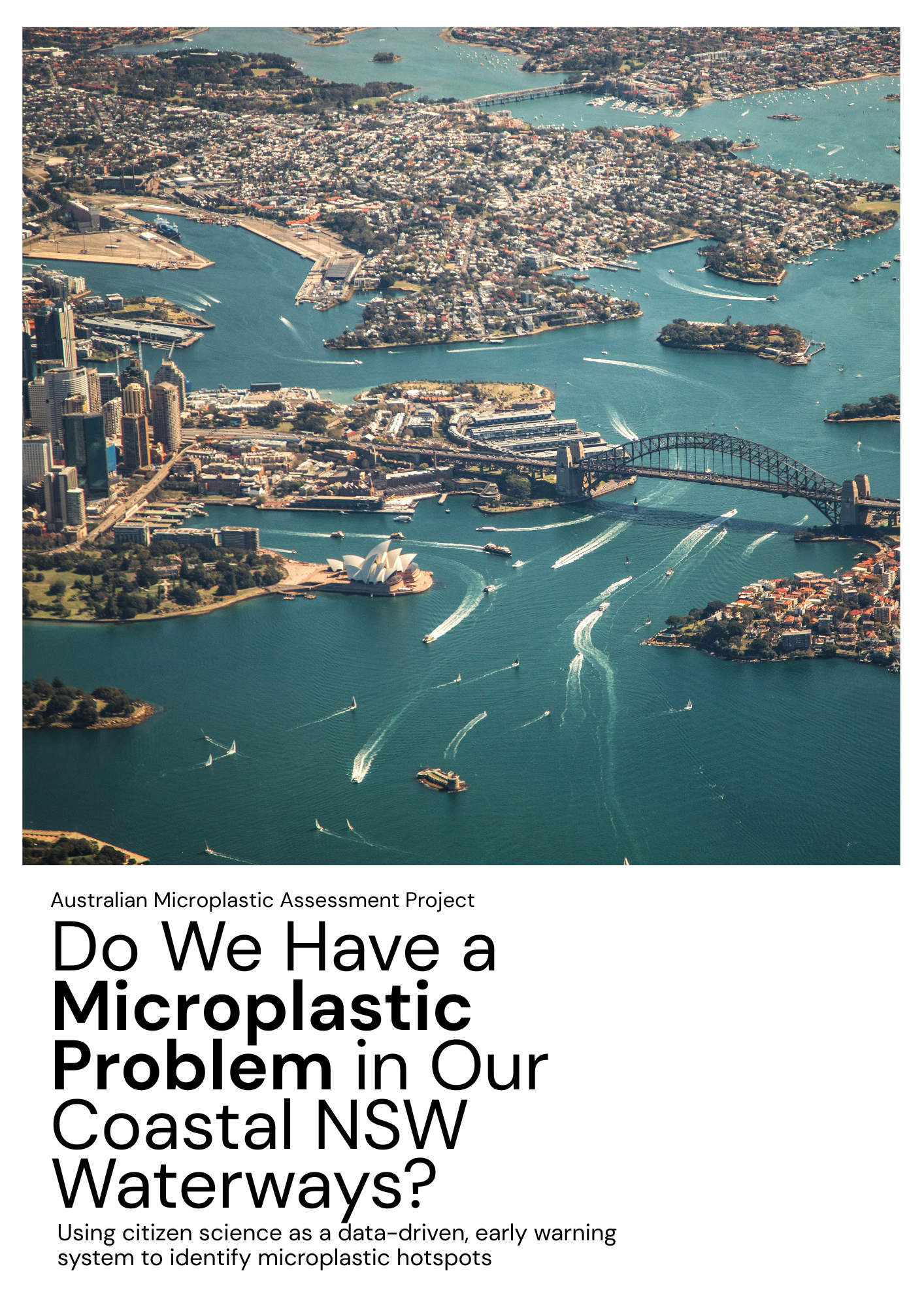
Hundreds of surveys documenting dangerous microplastic pollution in NSW coastal environments has been compiled in a major report. Sydney stands out as the state’s worst and most consistently impacted region, however, other regional urbanised areas are also of concern.
Our Executive Director, Jeff Angels speaks to the findings: "Microplastics are like a plague, infiltrating the environment and us, accumulating over time and persisting for decades. Our report sounds the alarm based on seven years of citizen science surveys using a scientifically robust methodology under our AUSMAP program. It calls for a range of solutions – which by any definition are urgent."
Sydney stands out as the state’s worst and most consistently impacted region, with widespread microplastic contamination. Every tide brings in another layer of plastic fragments.
He adds that "the variety of microplastics from deliberately engineered particles like nurdles and microbeads to larger plastics that shed or fragment, such as foams, fibres and artificial grass, is no longer ‘invisible’ to us and policy makers. These long-lasting materials should be subject to legally binding measures, from banning items that use these materials and mandating the use of safer alternatives to requiring capture technologies that prevent pollution from entering waterways and the ocean. These should be overlain by national and state microplastic reduction strategies setting out plans to curb the pollution.”
Dr Scott Wilson, AUSMAP Research Director, explains that at several Sydney sites, more than 10,000 pieces of microplastics were found on average in a space you could cover with a beach towel. At that level, every handful of sand contains hundreds of plastic particles.
Birds, fish and other wildlife mistake microplastic pieces for food, causing a range of impacts from effects on growth and reproduction to reduction in health and survival. These particles may continue to break down over their life and be distributed throughout our waterways and soils, creating a ubiquitous problem.
Similarly, microplastics are increasingly recognised as a potential threat to human health. They have been detected in drinking water, food, air, and a range of human tissues and organs. Microplastics can also act as carriers for chemical additives and environmental contaminants.
Our newly released report contains a number of key solutions. While a few have been addressed in the NSW Government’s recent Plastic Plan 2.0, such as banning more single-use items and installing filters on new washing machines, we are calling to speed up action and to develop a comprehensive reduction strategy within our new Microplastics: Too Big To Ignore Campaign.